
The Hidden Cost of Delayed Design Decisions in Custom Home Projects
Building a custom home or planning a major renovation involves hundreds of decisions. Some are structural, others are technical. Many seem small in the moment, but can have a bigger impact than anyone expects once construction is moving.
That is why delayed design decisions can quickly create problems for both the builder and the client.
When finish selections, cabinetry details, lighting placement, plumbing coordination, or layout decisions are still being worked out late in the process, it often leads to more back-and-forth, more stress, and a project that feels harder to manage than it should.
This is one of the biggest reasons interior design support adds value early.
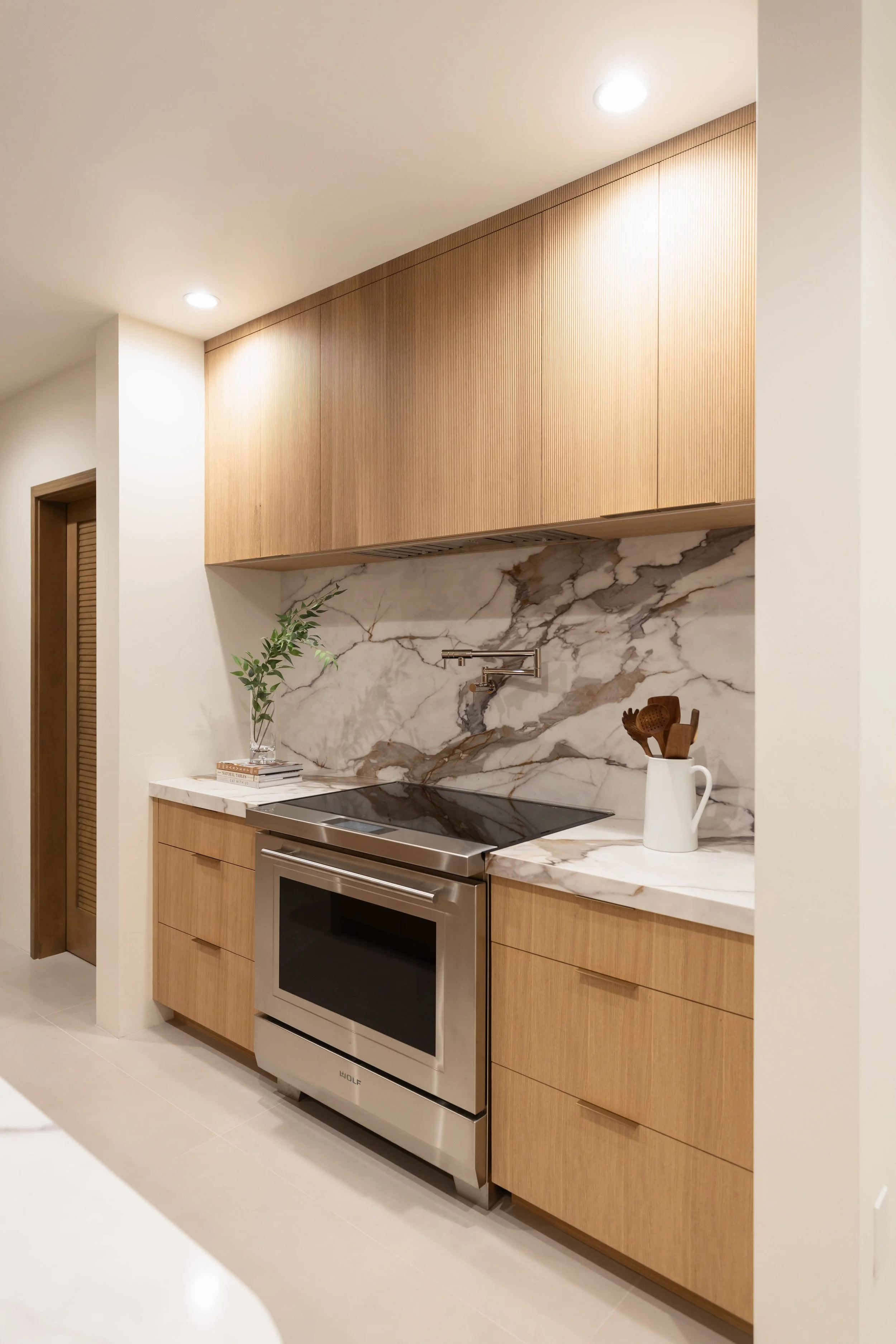
Delayed decisions can slow project momentum
Project delays don’t always begin with one major issue. They begin with a series of smaller unanswered questions.
Where exactly should the sconces be centered?
What tile layout should be used?
Have the plumbing fixtures been selected in time to confirm placement?
Will the cabinetry details support the appliance integration?
How should the fireplace be finished so it relates to the rest of the home?
When those decisions are still unresolved while the project manager is trying to keep the project moving, progress can start to stall. Even small pauses can affect momentum.
Clients often do not realize how many choices are connected
From the client’s perspective, one selection may feel like one decision. In reality, most design choices affect several other parts of the project.
A countertop selection may influence backsplash detailing and edge profile decisions. Plumbing choices can affect cabinet layouts and mirror placement. Lighting decisions can impact millwork, tile, and furniture planning.
When clients are making these choices without early design guidance, it is easy for them to feel overwhelmed or not realize how connected the decisions really are. That can lead to hesitation, second-guessing, or changes later.

Late changes can affect more than aesthetics
When design decisions happen too late, the issue is not only whether the final result still looks good. It can also affect the process itself.
Late revisions can create extra coordination, disrupt sequencing, and put more pressure on the team to adjust while work is already underway. In some cases, they can also lead to compromises that would not have been necessary if every detail of the design had been created before construction started.
The earlier the decisions are made, the more opportunity there is to be thoughtful instead of reactive.
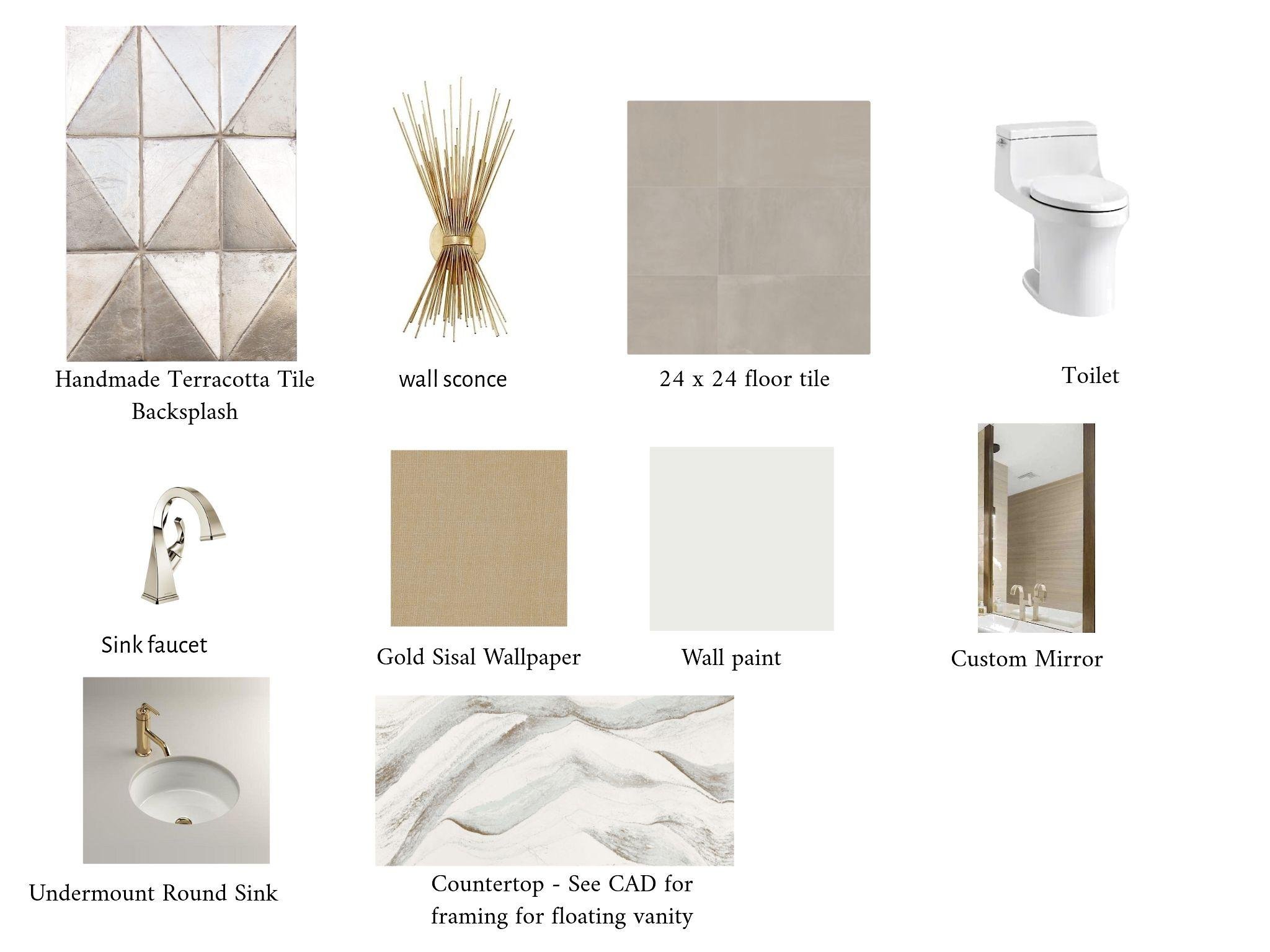
Better guidance helps clients decide with confidence
One of the most valuable things I can do in a project is help guide clients to make decisions before the project becomes stressful.
That means narrowing options, keeping the overall vision in mind, and helping clients understand how each choice relates to the home as a whole. When people feel clear and supported, they tend to make decisions more confidently and with less back-and-forth.
That is better for the client, and it is also better for the build team.
Early design support protects the finished result
A beautifully built home deserves design decisions that feel equally thoughtful.
When materials, lighting, cabinetry, plumbing, and finish details are resolved early, the final home feels more cohesive, intentional, and aligned with the home’s architecture. It also helps the project move with greater clarity from the beginning.
That is why early involvement in interior design is not only about aesthetics. It is also about helping protect the process, the schedule, and the level of finish everyone is working toward.
If you are a builder or contractor who values a thoughtful, organized design process and wants a partner who can help reduce overwhelm, support decision-making, and create a smoother experience for your team and your client, I’d love to connect.
Contact Suzanne Rugg Interior Design